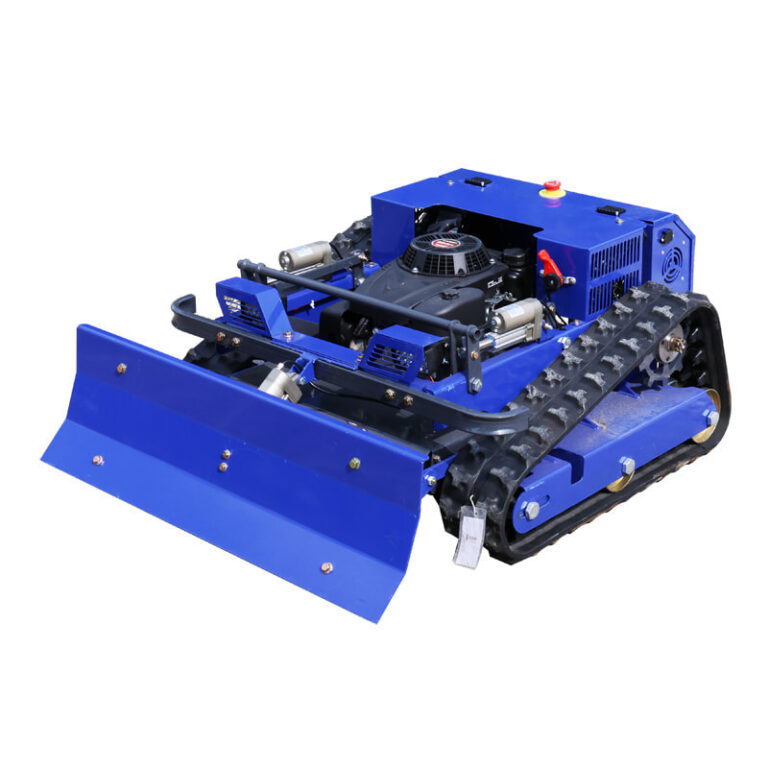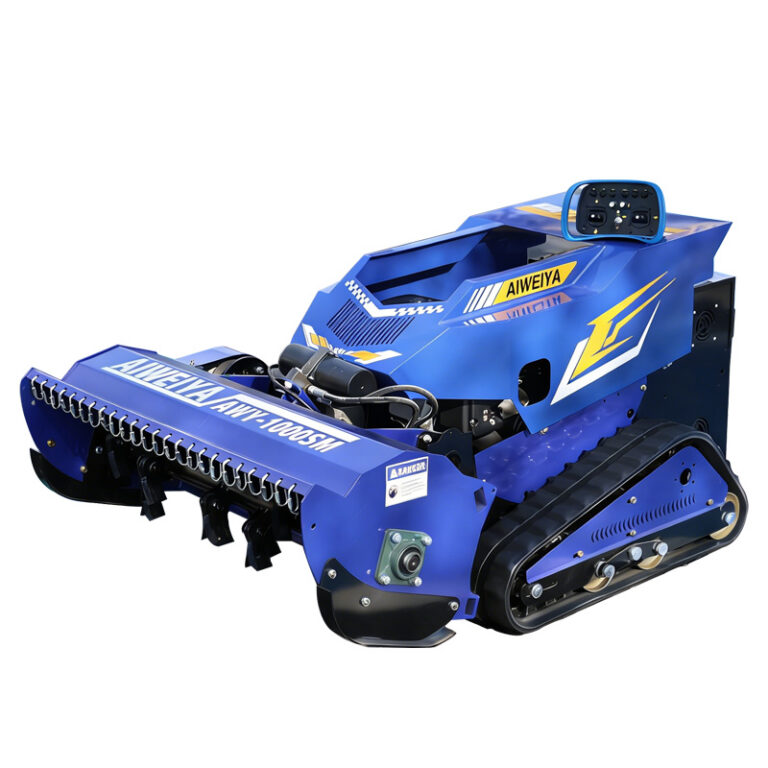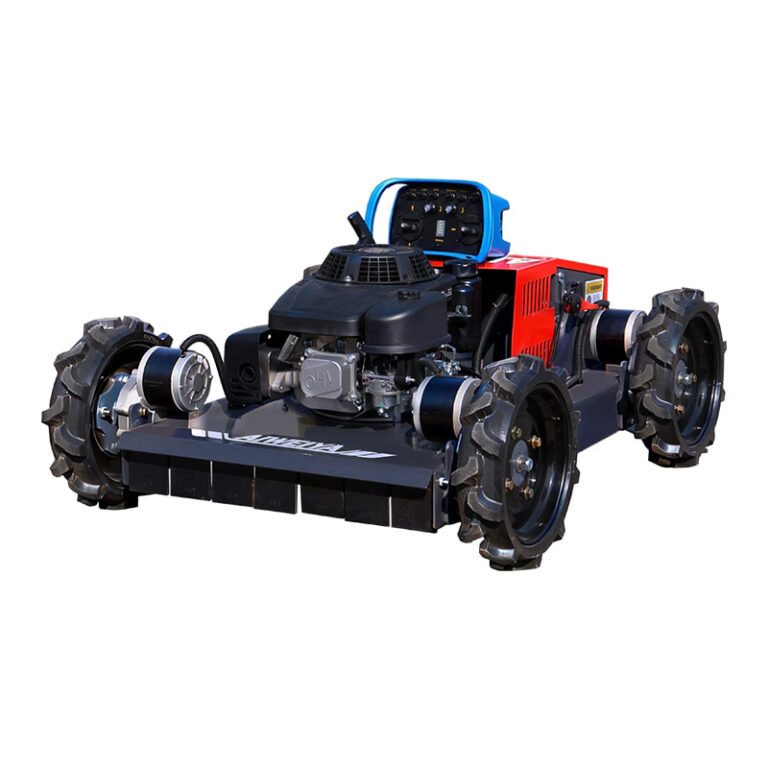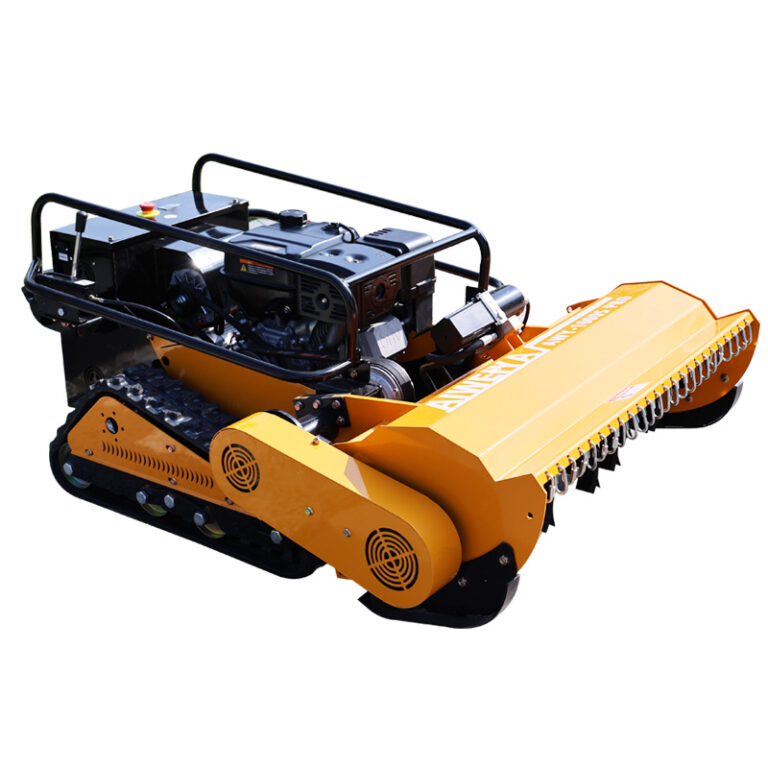
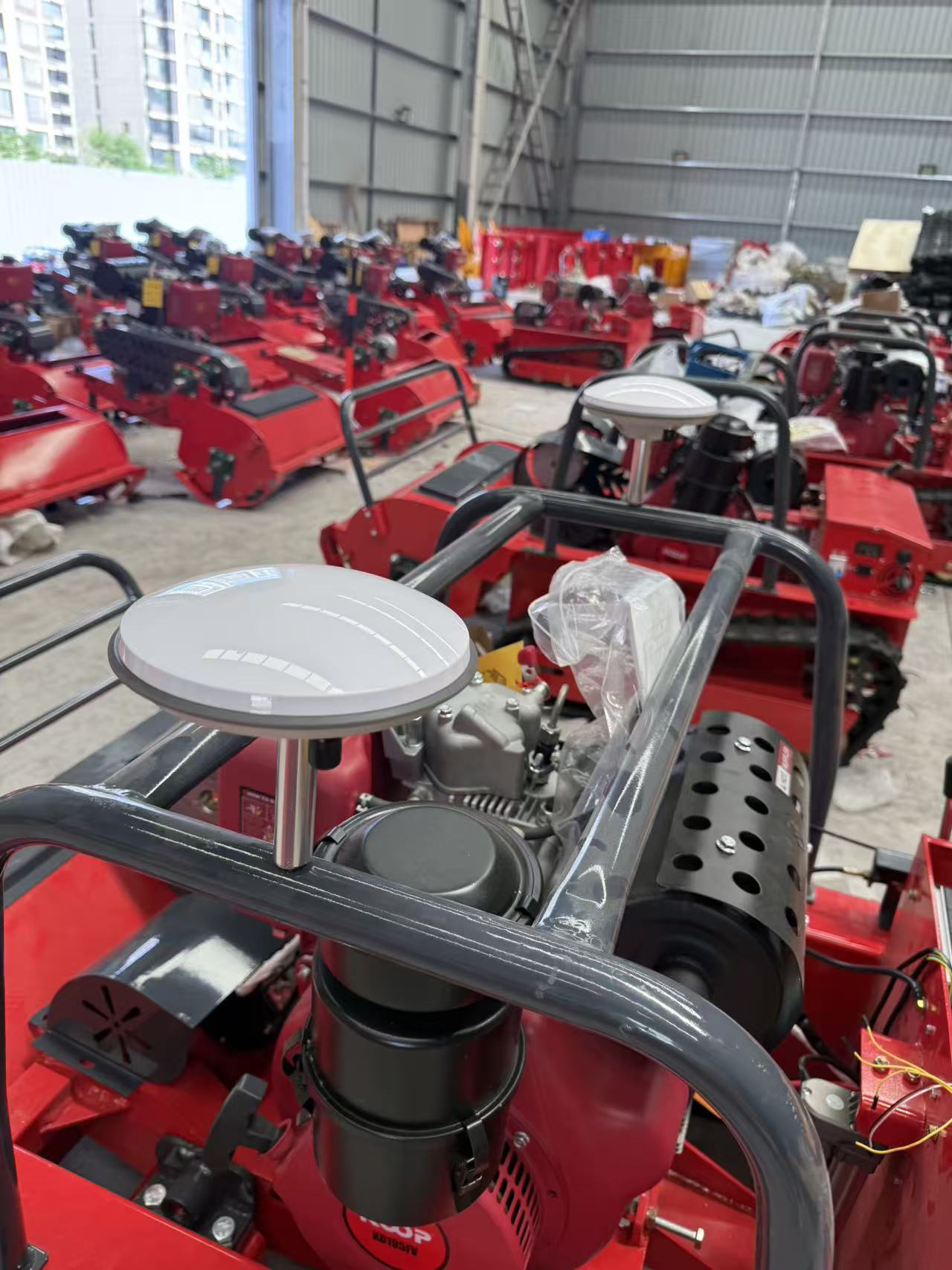
You’ve invested in a remote control mower to save time, reduce labor, and mow safer. But are you getting the most out of it? Many operators treat their RC mower like a traditional machine — mowing in random patterns, ignoring maintenance schedules, and pushing through thick vegetation without a plan. The result? Wasted fuel, uneven cuts, unnecessary wear on components, and hours of lost productivity. This guide reveals proven strategies to dramatically improve your remote control mower’s efficiency, helping you cover more ground in less time while extending the life of your equipment.
Plan Your Mowing Pattern Before You Start
The single biggest efficiency mistake operators make is starting to mow without a plan. Random, overlapping passes waste fuel, create uneven cutting heights, and add unnecessary wear to the drivetrain.
Map the area first. Walk the perimeter of your property and identify obstacles — trees, rocks, irrigation heads, fence posts, and drainage ditches. Note any areas where the machine cannot reach and will need manual trimming. This mental map allows you to plan efficient passes without stopping mid-job to figure out your next move.
Use systematic parallel passes. Start from one edge of the property and work in straight, parallel lines — similar to how a farmer plows a field. Overlap each pass by 10 to 15 centimeters to ensure complete coverage without redundant cutting. On slopes, always mow up and down the incline rather than across it. This reduces lateral sliding, improves traction, and produces a more uniform cut.
Work from the outside in. Begin by clearing a perimeter strip around the entire area. This creates a turnaround zone for the machine and prevents uncut strips along the edges — a common problem when operators start in the middle and work outward.
Optimize Cutting Height for the Conditions
Running your mower at the wrong cutting height is one of the most common — and most costly — efficiency killers.
Don’t cut too low. Setting the blade extremely low might seem like it gives a cleaner result, but it forces the engine to work much harder, especially in thick or damp grass. It also scalps the lawn, exposing soil that invites weed germination and erosion. For most grass types, a cutting height of 50 to 80 millimeters is ideal for regular maintenance.
Don’t let grass get too tall before cutting. If grass has grown to 30 centimeters or more, don’t try to cut it down to 50 millimeters in a single pass. The sheer volume of vegetation overwhelms the blade, clogs the deck, and stalls the engine. Instead, make two passes — first at a higher setting (100 to 120 millimeters) to knock down the bulk, then a second pass at your desired height. This “two-pass method” actually saves time and fuel compared to struggling through one heavy pass.
Match height to terrain. On uneven ground, raise the cutting height slightly to prevent the deck from scalping high spots and digging into low spots. A slightly higher cut on rough terrain produces a more uniform result and protects the blade from striking rocks and roots.

Maintain Sharp Blades and Proper Deck Condition
A dull blade doesn’t cut grass — it tears and bruises it. This simple fact has massive implications for efficiency.
The science is clear. A sharp blade slices through grass cleanly with minimal resistance. A dull blade crushes and rips the grass fibers, requiring significantly more engine power to push through the vegetation. Studies show that a dull blade can increase fuel consumption by 15% to 25% while producing a ragged, uneven cut that turns brown at the tips within hours.
Inspect blades every 20 to 30 hours. Remove the blades and check for nicks, rounding, and uneven wear. A blade that has lost its sharp edge should be sharpened or replaced immediately. Always replace blades in pairs or sets to maintain balance — an unbalanced blade causes violent vibration that damages the spindle bearings and reduces cutting quality.
Clean the deck after every use. Grass clippings that accumulate under the deck create drag, restrict airflow, and promote rust. A clogged deck cannot discharge clippings properly, leading to clumping and uneven distribution. Use a pressure washer or stiff brush to remove buildup while the grass residue is still fresh and damp.
Manage Track and Tire Condition
Your mower’s traction system is its connection to the ground — and poor traction means wasted energy.
Check track tension weekly. Tracks that are too loose slip and spin on the drive sprockets, converting engine power into heat and track wear instead of forward motion. Tracks that are too tight create excessive rolling resistance, forcing the engine to work harder. The correct tension allows about 1 to 2 centimeters of deflection when you press firmly on the midpoint of the track with the machine suspended.
Inspect track pads for wear. Worn track pads lose their aggressive tread pattern, reducing grip on slopes and wet ground. When the lugs are worn down to less than half their original depth, it’s time for replacement. Running worn tracks on a slope is not just inefficient — it’s dangerous.
For wheeled models, check tire pressure. Under-inflated tires increase rolling resistance and reduce speed. Over-inflated tires reduce the contact patch, compromising traction. Follow the manufacturer’s recommended pressure, typically printed on the tire sidewall.

Time Your Mowing for Optimal Conditions
When you mow matters just as much as how you mow.
Mow when the grass is dry. Wet grass clumps, clogs the deck, and sticks to the underside of the machine. This forces you to stop frequently for cleaning and produces an uneven, ragged cut. Wait until morning dew has evaporated and avoid mowing immediately after rain. Late morning to early afternoon on a dry day is ideal.
Avoid mowing in extreme heat. While RC mowers don’t suffer from heat fatigue like human operators, extreme temperatures affect engine performance. Gas engines lose power in very hot conditions due to reduced air density. If possible, mow during cooler parts of the day — early morning or late afternoon — when the engine runs more efficiently and the grass is less stressed.
Mow before grass goes to seed. Once grass and weeds produce seed heads, the stems become tough and fibrous, requiring more power to cut. Regular mowing on a 7-to-10-day cycle during the growing season prevents seed head formation and keeps vegetation in a soft, easy-to-cut state.
Use the Right Speed for the Vegetation
More speed doesn’t always mean more productivity — especially in thick vegetation.
In light, maintained grass: Run the machine at a higher travel speed with full blade RPM. The blade has plenty of capacity to process the thin grass, and faster ground speed covers more area per hour. This is where RC mowers truly shine — maintaining consistent speed without operator fatigue.
In thick, tall, or woody vegetation: Reduce travel speed and let the blade do its work. Pushing too fast through heavy growth causes the blade to bog down, the engine to lug, and uncut strips to form. Slow, steady passes through thick vegetation produce a cleaner result and actually complete the job faster than multiple rushed, incomplete passes.
Use cruise control on open terrain. Many modern RC mowers feature a cruise control function that maintains a constant speed without continuous joystick input. This ensures uniform cutting height and speed across long, straight passes — eliminating the speed variations that occur with manual throttle control.
Reduce Unnecessary Turns and Transitions
Every time the machine stops, turns around, and repositions, you lose productive mowing time.
Minimize headland width. The turnaround area at the end of each pass should be just wide enough for the machine to complete a U-turn — typically 1.5 to 2 meters. Excessively wide turnaround zones waste time and leave uncut strips.
Use zero-radius turning. Tracked RC mowers can pivot within their own footprint. Take full advantage of this capability by making tight, efficient turns at the end of each pass rather than wide, sweeping arcs.
Combine adjacent areas. If you have multiple small mowing zones close together, plan your route to connect them without returning to a central starting point each time. Continuous mowing is always more efficient than fragmented, start-stop sessions.
Keep the Machine Properly Maintained
A well-maintained machine is an efficient machine. Neglect breeds inefficiency in dozens of small ways that compound over time.
Change engine oil and filters on schedule. Dirty oil increases internal friction, reducing engine power output. A clogged air filter restricts airflow, causing the engine to run rich and lose efficiency. Follow the manufacturer’s maintenance intervals — typically every 50 to 100 hours for oil and every 25 hours for air filter inspection.
Inspect drive belts and chains. Worn or loose belts slip under load, wasting power. A loose chain creates friction and can damage sprockets. Check tension and condition regularly, and replace worn components before they fail.
Lubricate all pivot points. Grease the track idlers, rollers, blade spindles, and steering linkages according to the service schedule. Dry, unlubricated components create drag that robs the engine of usable power.
Keep the radiator and cooling fins clean. An overheating engine loses power and may enter a protective limp mode. Blow debris from the radiator and cooling fins with compressed air after every mowing session, especially when cutting in dusty or dry conditions.
Leverage Technology and Accessories
Modern RC mowers offer features that can significantly boost productivity when used correctly.
FPV camera for precision navigation. If your mower is equipped with a first-person view camera, use it to navigate around obstacles without stopping to visually inspect the area. The camera allows you to guide the machine through tight spaces, under low branches, and around tree trunks with confidence — eliminating the time wasted on manual scouting.
GPS-guided boundary mapping. Some advanced models offer GPS boundary recording, allowing you to program the mower’s working area in advance. This prevents the machine from leaving the designated zone and eliminates the need for physical boundary markers, saving setup time on large properties.
Mulching kits. Installing a mulching kit or mulching blades chops clippings into fine particles that decompose quickly and return nutrients to the soil. This eliminates the need to collect or rake clippings, saving significant time on large properties.

Build a Consistent Mowing Schedule
Perhaps the most overlooked efficiency strategy is simply mowing regularly.
The 1/3 rule. Never remove more than one-third of the grass blade height in a single mowing session. If your target height is 60 millimeters, mow before the grass exceeds 90 millimeters. This keeps the vegetation in a soft, manageable state that the machine processes easily.
Weekly mowing during peak growth. In spring and early summer, grass can grow 5 to 10 centimeters per week. Mowing every 7 to 10 days prevents the vegetation from becoming overwhelming. Each mowing session takes less time, uses less fuel, and produces a better result than letting the grass grow for two or three weeks and then struggling through a marathon session.
Document your schedule. Keep a simple log of mowing dates, areas covered, and vegetation conditions. Over time, this data reveals patterns that help you predict growth rates and plan your mowing schedule proactively rather than reactively.
Summary: Small Improvements Compound Into Major Gains
Improving your remote control mower’s efficiency doesn’t require expensive upgrades or radical changes. It’s about working smarter — planning your passes, maintaining sharp blades, mowing at the right time, and keeping the machine in peak condition. Each of these strategies might save you only 10% or 15% on any given mowing session. But compounded over an entire season, they can reduce your total mowing time by 30% to 50%, cut fuel consumption significantly, and extend the service life of every wear component on the machine. Your RC mower is a powerful tool — these strategies ensure you’re using it to its full potential.