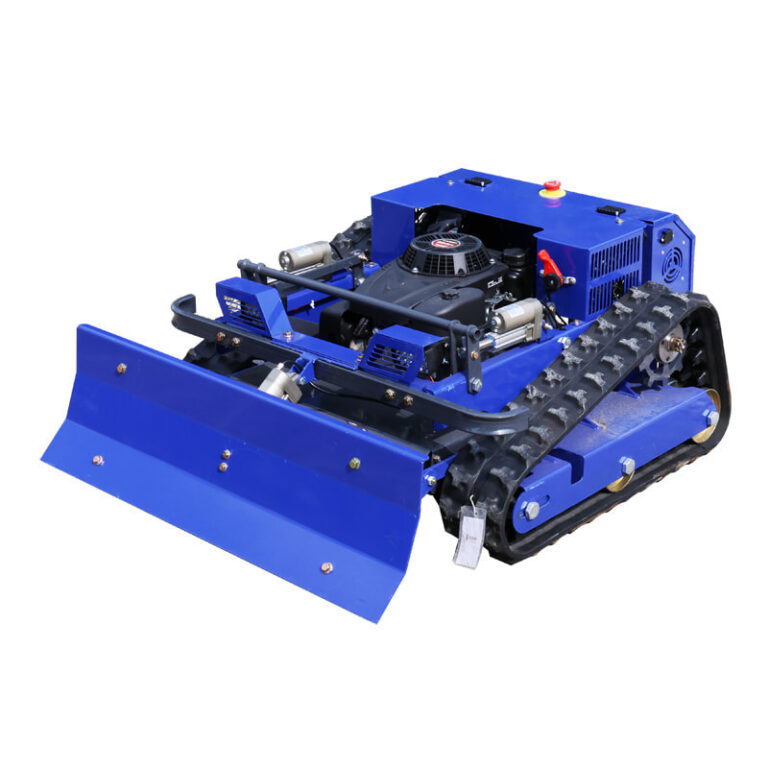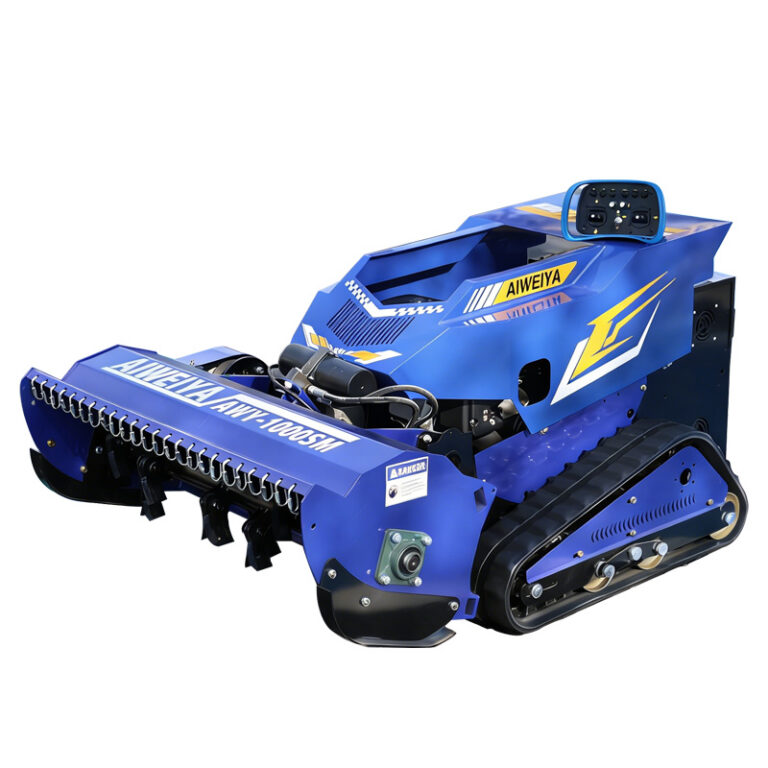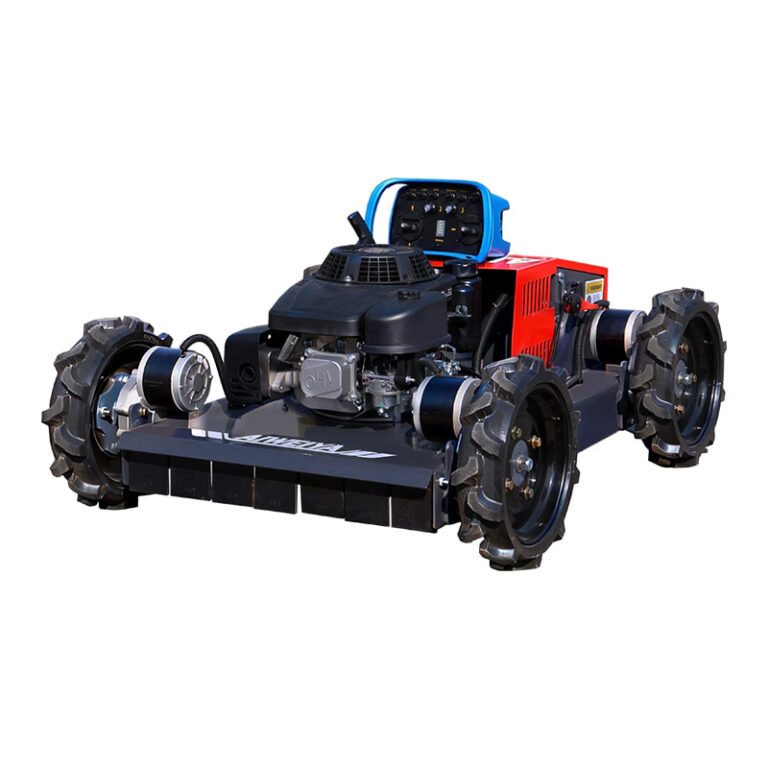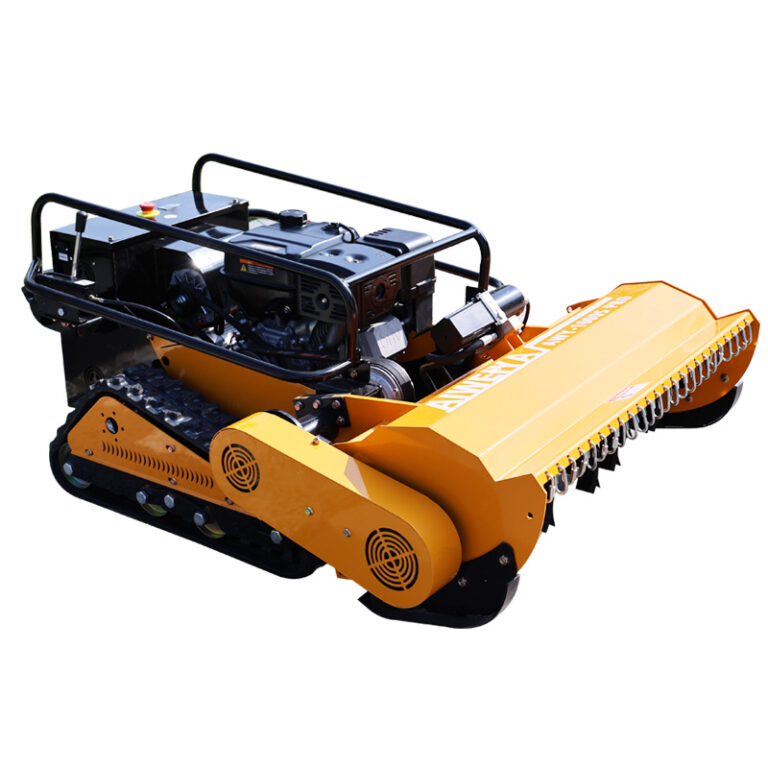
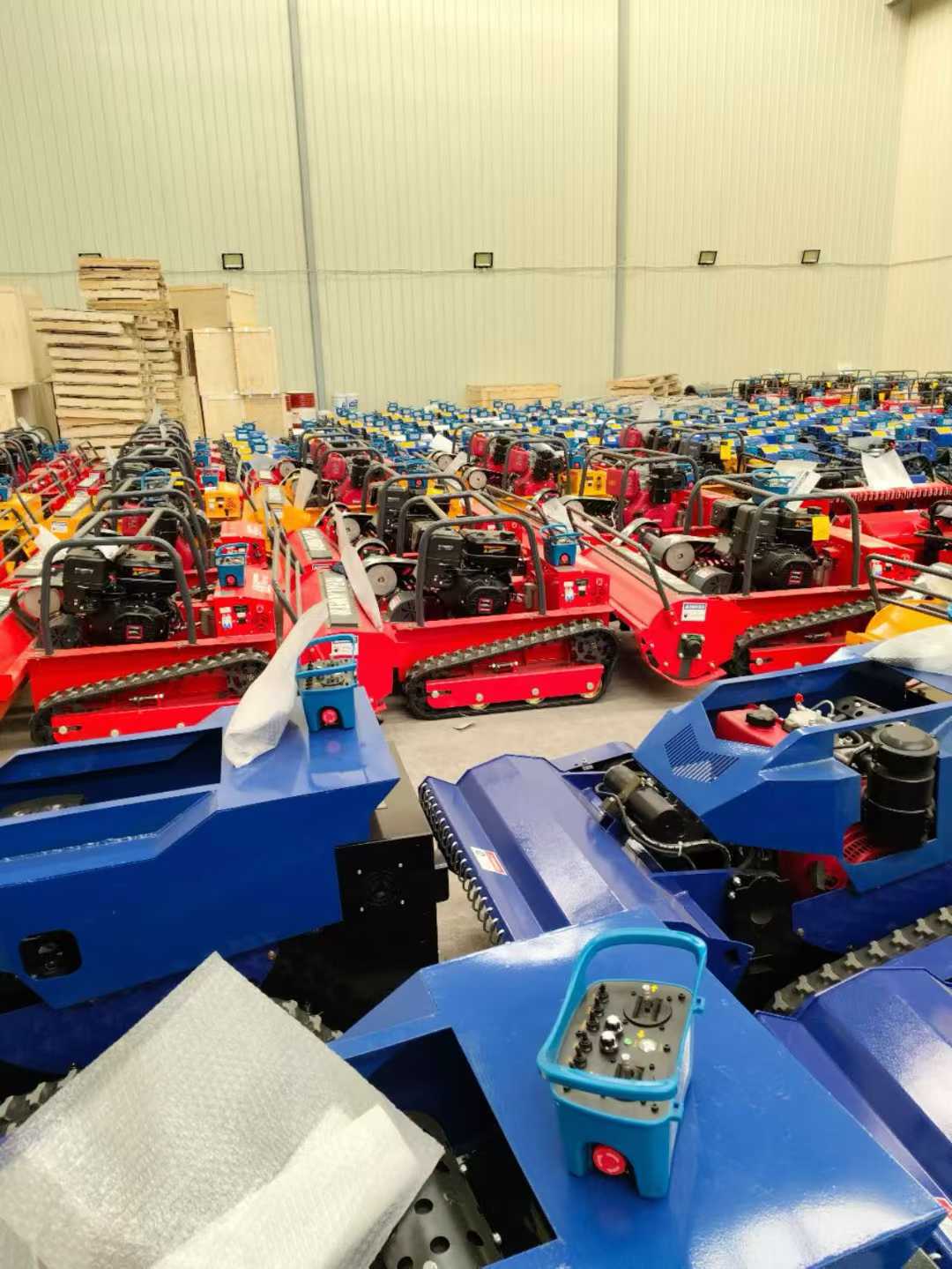
Many land managers struggle to select suitable equipment for outdoor vegetation maintenance. Ordinary lawn machines work well on flat ground, yet meet limitations on uneven terrain. The crawler flail mower gains attention for its flexible movement and stable processing performance. This article shares typical working scenarios where this machine delivers steady performance.
What makes crawler design suitable for uneven working sites?
The crawler chassis evenly distributes machine weight, offering stable traction on slopes and rough ground. It can move through narrow gaps such as spaces between fruit trees and roadside barriers. Compared with wheeled equipment, it reduces the risk of slipping when travelling across undulating ground.
How does flail structure handle thick grass and dry grass?
The flail assembly processes thick grass and dry grass steadily. Vegetation can be broken into small fragments and stay on the ground naturally. This design works for sites with mixed grass and bush, creating a neat surface after operation.
What practical advantages does wireless remote operation bring to site work?
Operators can control the machine from a safe distance. There is no need to follow the machine closely on complicated terrain. Remote operation helps staff avoid risks when working on slopes and areas covered with dense vegetation.
Which regular maintenance projects match crawler flail mower?
This machine fits multiple routine maintenance tasks: vegetation care under fruit trees, roadside green belt maintenance, ground finishing around photovoltaic facilities and hillside vegetation management. It is suitable for landscaping contractors, orchard operators and municipal maintenance teams.
When is crawler flail mower not the preferred option?
If your working area is mainly smooth lawn without slopes and bush, standard lawn equipment can satisfy daily needs. The crawler flail mower shows obvious advantages mainly for complex terrain and mixed vegetation conditions.